

An exploration of heritage, craft, making and shared knowledge

Friday 16 and Saturday 17 October 2026
Highland Folk Museum / Taigh-tasgaidh Sluagh na Gaidhealtachd
The two-day gathering at Taigh-tasgaidh Sluagh na Gaidhealtachd, Newtonmore explored craft in the context of place, considering the heritage of the Scottish Highlands through traditional and contemporary craft demonstrations and talks. Access to the Museum Collections Store to digest the stories of the objects held within supported an exploration of how this heritage can shape the future of contemporary creative communities in Scotland.
There was also have the opportunity to learn more about CULTURALITY, an EU Horizons research project exploring how creative practitioners in rural areas currently interact with sustainable tourism and how they could in the future. This included contributing artefacts to be 3D scanned by The Open Virtual Worlds team from the University of St Andrews for inclusion in VERA — an online platform cataloguing the work of creative practitioners from across Europe in 3D.

Day One – Heritage in Action
Friday 16 October 2026
The first day of Making Place explored different craft disciplines, the skills and materials used to practice them and how sharing them increases our knowledge and understanding of place and identity. From rope making to weaving, joinery and metal working, the day immersed attendees and their senses into what it means to be a maker.
The day kicked off with a programme of talks in Am Fasgadh introducing Heritage in Action, CULTURALITY and VERA with Highland Folk Museum Curator Helen pickles and AAS CULTURALITY Project Manager Clare Waddle.
Day One Talks Programme
Introducing CULTURALITY
Clare Waddle introduced an overview of the research undertaken so far and how it will develop in the future. Living Lab Project Manager Kate McLaughlin and jeweller Jo Pudelko provided an update on AAS’s Living Lab; what it is, how it was delivered, what we learned and what happens next.
VERA
The online platform VERA sits at the heart of CULTURALITY – sharing craft practices and their cultural landscapes from across Europe. Dr Catherine Cassidy of the University of St Andrews shared a step by step guide to getting involved with VERA including how to upload your own images and information.
Explore the Open-Air Museum and Museum Collections
Whilst the talks programme takes place, the open-air Museum was busy with demonstrations by makers:
- Rope making by Taigh-tasgaidh Sluagh na Gaidhealtachd staff.
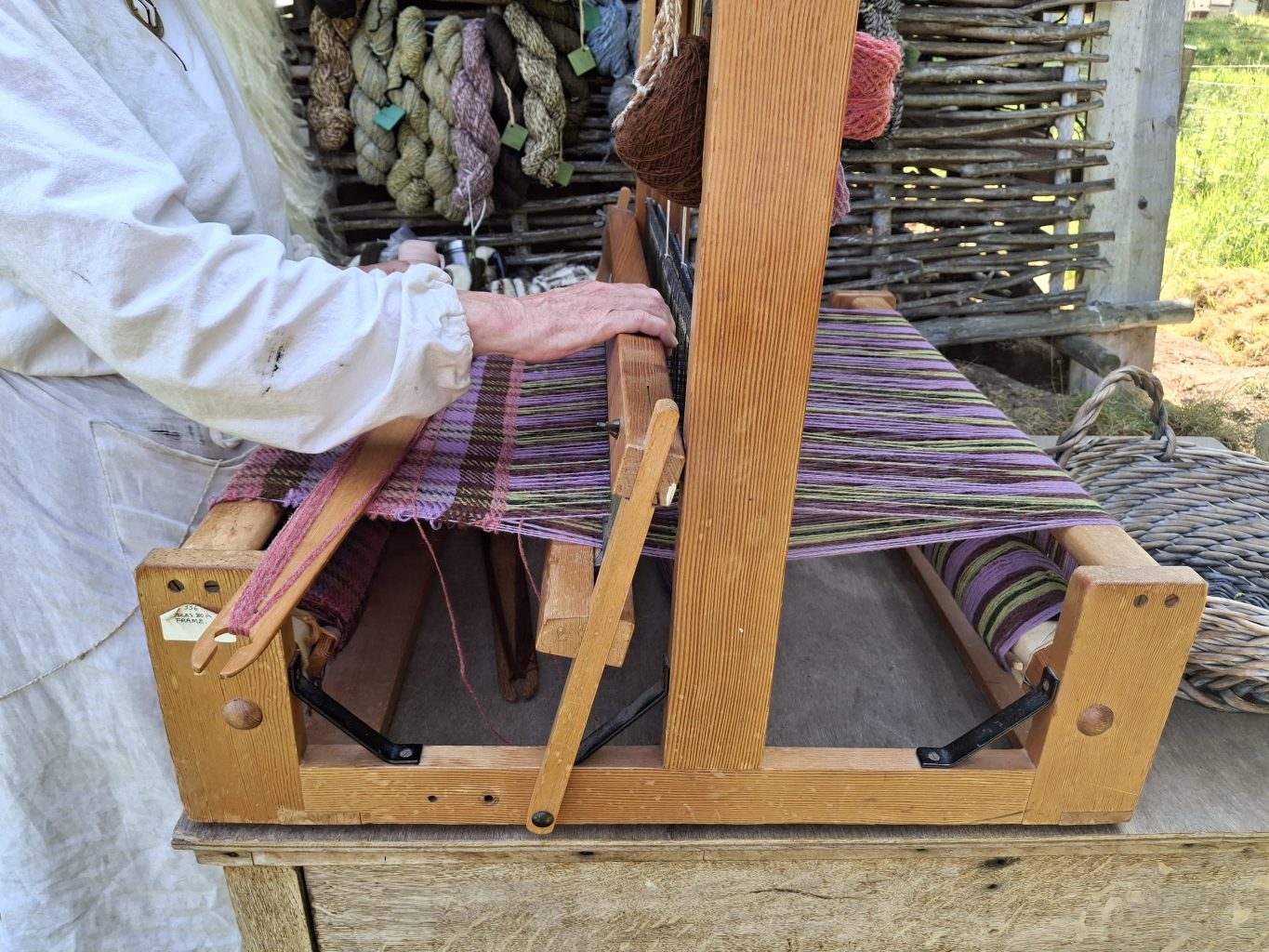
- Marion Smart, the Museum’s Costume Interpreter, demonstrating how 18th century textiles were woven.
- Dave Robson and Tom Arden of The Cambium Project crafted two utilitarian carpentry saw benches, placing focus on the traditional mortice and tenon process of joining wood.
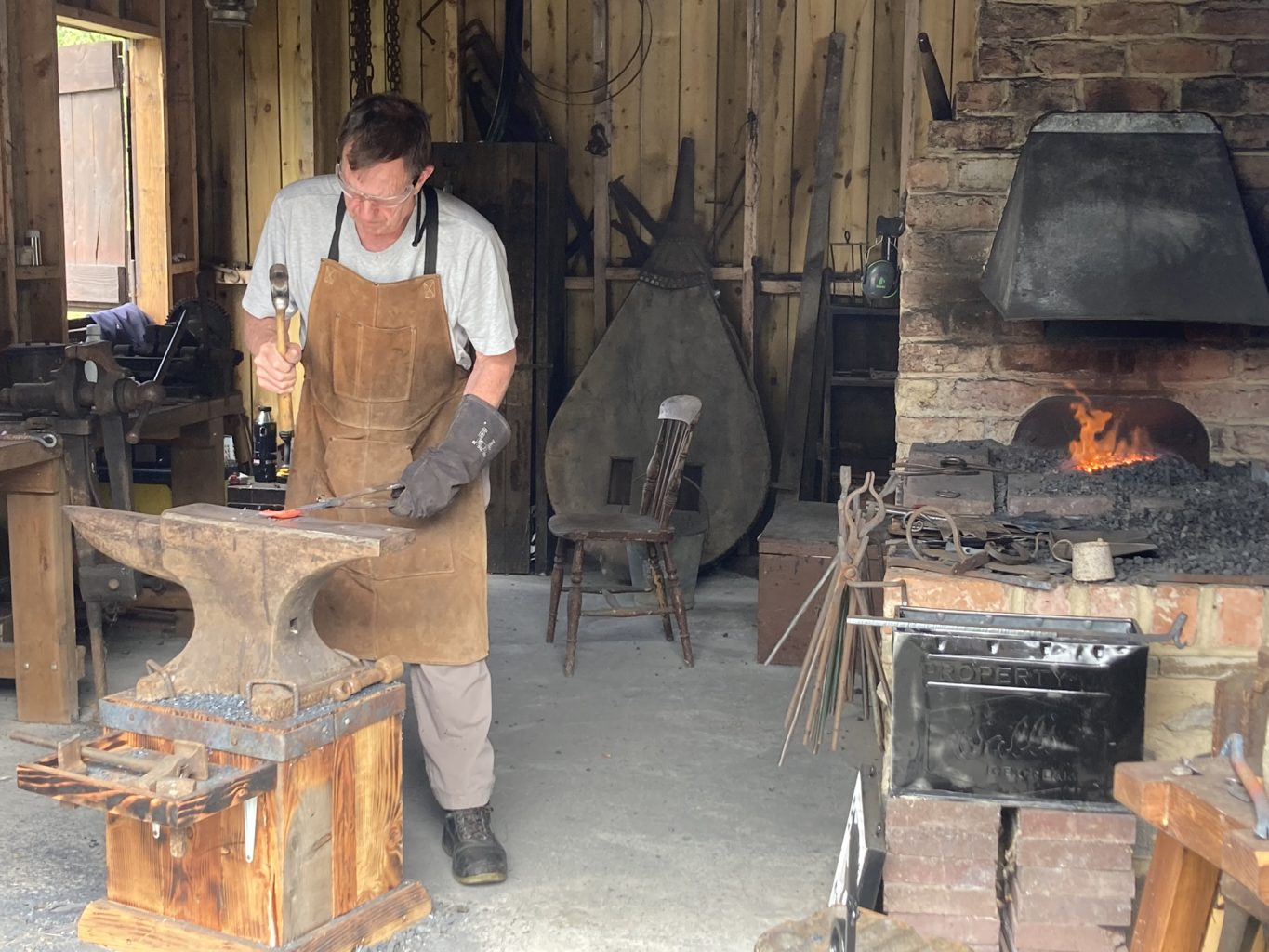
- Blacksmiths Nick Winter and Matty Flett of Flett Forge demonstrated the traditional craft of blacksmithing, shaping iron and steel using heat, a hammer and an anvil.
- Speyside Spinners transformed wool through hand spinning.
- Lonely Larch Leatherwork demonstrated traditional leatherworking techniques by crafting a leather water bottle.




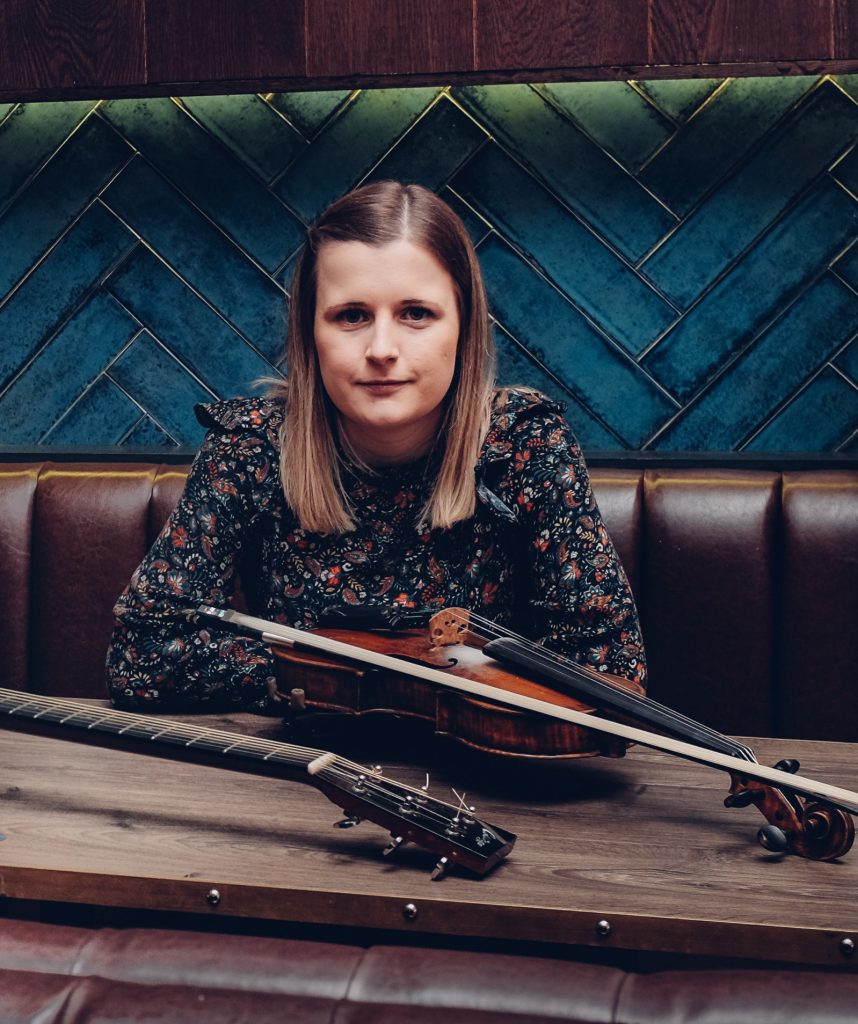
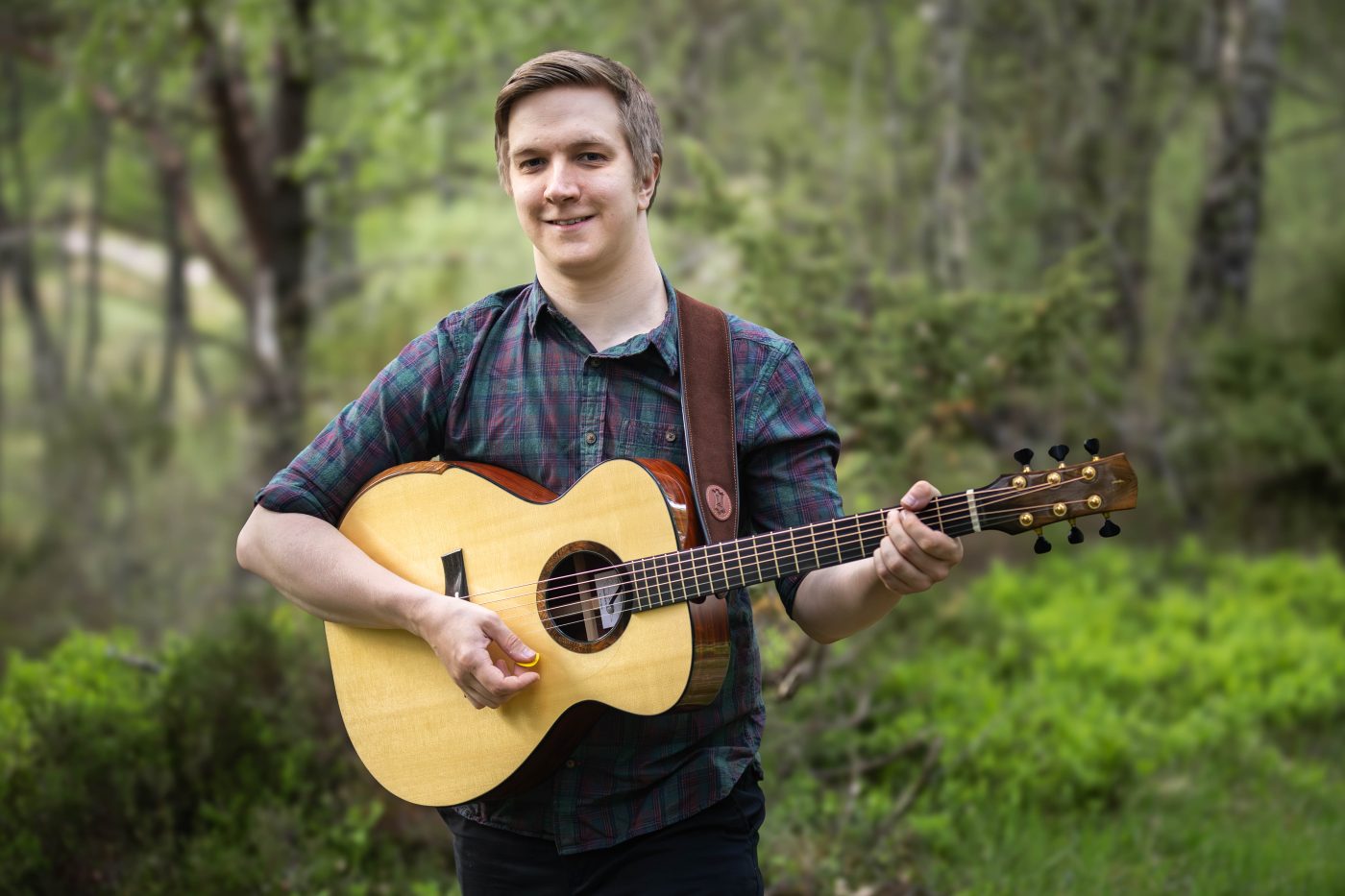
Ilona Kennedy and Jordan Neil, both local folk musicians from Strathspey in the Scottish Highlands, played in the Church. Their music included many of the Strathspey reels and airs that originated from the local area of the Cairngorms and River Spey.
Day Two – Cultivate
Saturday 17 October 2026
Day two introduces ‘CULTIVATE’ a day-long programme exploring how contemporary communities of making can grow from our heritage and place. The day shifted from encountering heritage to thinking about what happens next and how to share it, with Am Fasgadh becoming the central space for conversation, participation and co-design.

Day Two Talks Programme
Knowledge Keepers
How does knowledge grow, travel and change?
The facilitated conversation brought together people with different forms of knowledge: makers, traditional practitioners, community organisers, curators, growers, farmers, architects, conservators and others whose expertise is rooted in lived experience. Questions around how knowledge of making is carried between generations, what makes this knowledge visible and valued, what happens when traditional knowledge meets contemporary practice, and what does reciprocity look like between makers, communities, organisations and places were considered.
Workshop: Co-designing the Making Place GROW programme
Moving towards the next stages of Making Place, events that move across place and time, participants worked in small groups to build on what they encountered during the event to explore: If we took today’s ideas and experiences into a particular place – your place – what could grow there?
Explore the Open-Air Museum
A family-friendly environment of making and heritage activity was found in the open-air Museum:
- Waulking demonstrations by Comhlan Luadh Bhàideanach / Badenoch Waulking Group to learn about the traditional process of finishing woven, woollen cloth.
- Margaret Grant of Highland Kilt Makers explored the making, construction and cultural significance of the kilt.
- Jeremy Usher Smith and Raymond Green, members of the local Insh Coracle Club, demonstrated the skill of making and using coracles on the calm waters of the Museum’s Curling Pond. Visitors could have a go in a coracle, and learn more about the craft of making these ancient boats.
- Wooden Tom and Aaron Sterritt demonstrated two distinct making processes, drawing on traditional green woodworking techniques.


Drop in ceramics workshop with Lorna Fraser
Using Highland Folk Museum collection of Barvas Ware for inspiration, visitros created their own small vessels using porcelain, combining the ideas of traditional making with contemporary ceramics materials.
The Church was filled with traditional music played by Charlie Mckerron, fiddle player in Capercaillie and founder member of Session A9. A well-respected tutor across the Fèisean, Charlie works very closely with Fèis Spè a Badenoch and Strathspey music charity, teaching local young people traditional Scottish music and culture. Charlie will joined by Sandra Mackay. Born and brought up on The Isle of Lewis speaking Gaelic and singing from the age of five, Sandra performed ‘Purit à Beul’ (mouth music) and ‘Tàladh’ (lullaby).


Location and Access
Making Place took place across the Highland Folk Museum / Taigh-tasgaidh Sluagh na Gaidhealtachd at Aultlarie Croft, Newtonmore, PH20 1AY.

The unique open-air Museum is home to over 35 carefully reconstructed historical buildings, a selection of which can be explored online here. A perfect place to discover how Highland communities worked, learned, and spent their leisure time, it was an amazing venue for AAS to partner to host the two day gathering.
Making Place: Heritage in Action & Cultivate is possible with Innovate UK funding as part of the CULTURALITY EU Horizon project and AAS’s Multi-Year Funding from Creative Scotland. In-kind support has been provided by Highland Folk Museum / Taigh-tasgaidh Sluagh na Gaidhealtachd, High Life Highland.


